













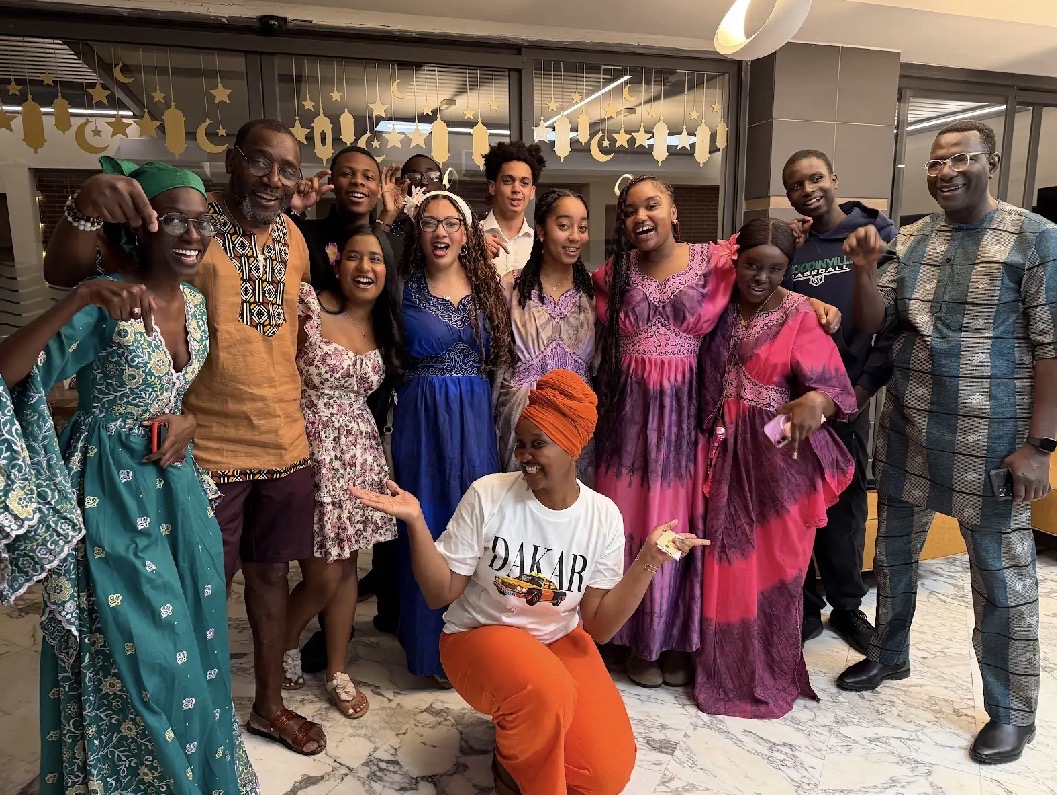
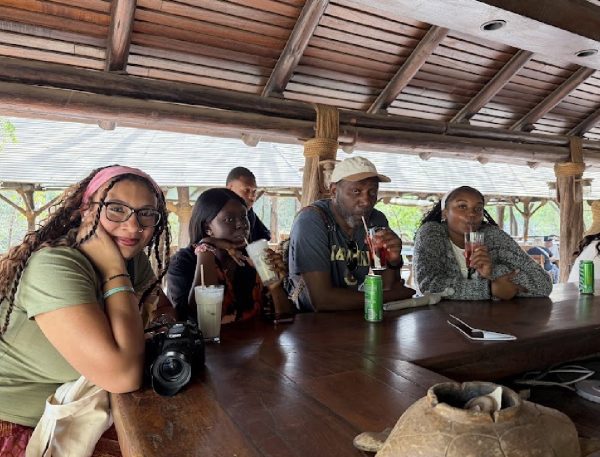
From driving dune buggies on the beach to trying drinks made from hibiscus flowers, eight Schenectady High School Students had an experience of a lifetime on a recent school trip to Dakar, Senegal this past February.
By popular student request, Mr. Mbodj, the Schenectady High School French teacher, and Mr. Sangaré, a 6th Grade Science teacher at Central Park Middle School, meticulously prepared for this trip for years before it happened. Last year, Mbodj and Sangaré took a trip to Senegal to plan out activities for the trip this year.
They created an organization called Afro African Diaspora Discovery (AADD) and with their fundraising, Mbodj and Sangaré achieved their goal. The students were sponsored with the district’s help, showing that planning a trip like this may not be easy but it was more than worth it.
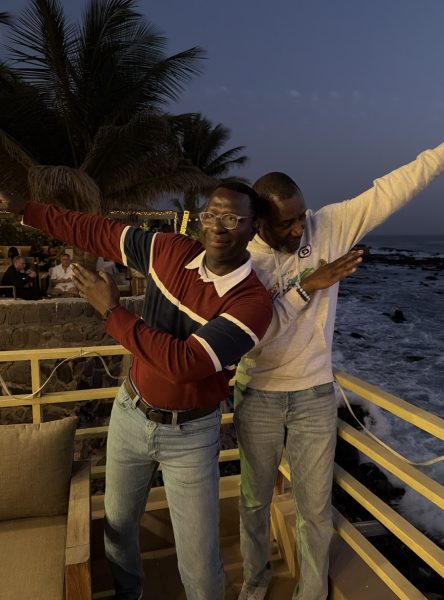
Someone who helped with the vision of this trip was school board president Bernice Rivera. After hearing Mbodj and Sangeré’s purpose, Rivera knew this had to happen.
The students made a convincing presentation to the board, and Rivera helped make the trip a reality. She was so convinced in fact, that she even joined them on the trip herself along with Superintendent Dr. Cotto and Tyrone O’Meally, the district’s executive director of secondary schools.
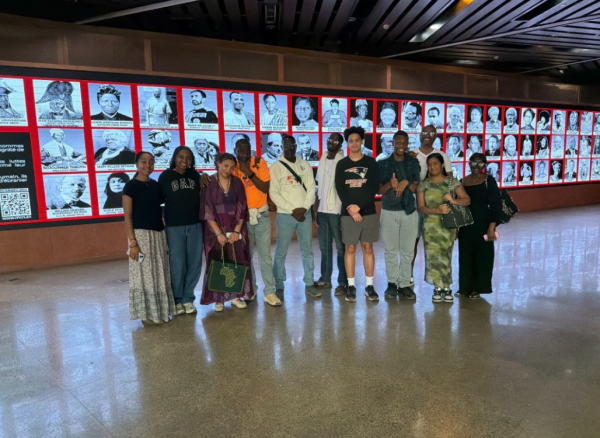
Schenectady students who took the trip included sophomore Alexander Bernard, juniors Liza Mullin, Amir Miles, Jaislyn Loppe and Shawn Joseph, and seniors Fanta Cisse, Sonia Bhola and Nassima Poinsette.
The Purpose
As a county, Schenectady has a large community of people of African-descent. According to a Neilsburg survey, 20.81% of people are Black or of African-American descent in Schenectady.
So the trip helped students connect to their roots and learn not only more about Africa but also more about themselves as people.
Mbodj planned this trip to introduce students to the truth behind this normally “ignored continent.” The main reason wasn’t to just go to a new country, but according to Mbodj it was to “discover the truth.” Mbodj and Sangaré understood they had to convey that to the students.
“Since as long as anyone can remember, Africa [has been] portrayed in a state of disparity,” Mbodj said. “It’s seen as a land of disease, underdevelopment, and incivility.”
“It’s a racist, fake view of an important, culturally rich place that people often overlook,” he said.
Mbodj and Sangaré believed that seeing portrayals of Africa and hearing about it from people who didn’t know first-hand was inaccurate. Mbodj believed students weren’t going to realize the truth about Africa until they saw it themselves, “especially after years of these false ideas being drilled into their heads,” said Mbodj.
The Experience
Senegal is more than 3,800 miles away from Schenectady with a completely different culture and lifestyle. On this trip, Mbodj introduced the students to experiences in Senegal that were not only exciting but also entirely new to them.
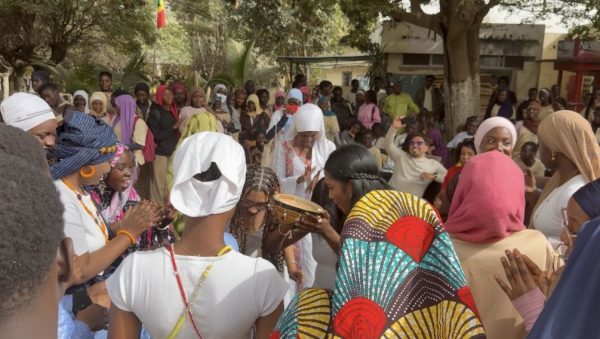
From the very start, they were greeted with hospitality. Their first Senegalese dinner and a traditional Simb Gainde (Fake Lion) performance included a discussion of expectations and goals for the trip.
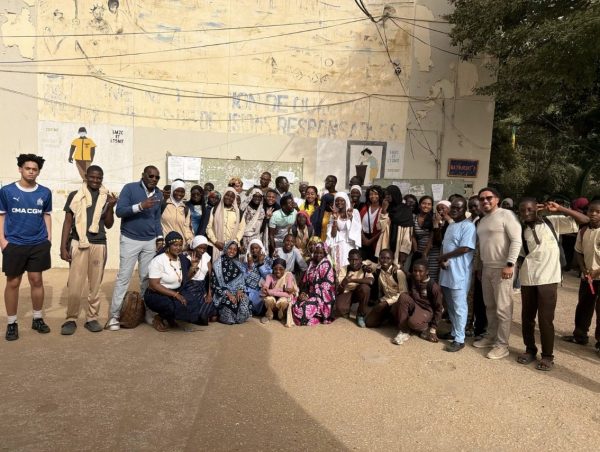
On day 1, they visited Lycée Seydou Nourou Tall, a public high school in the capital city of Dakar. Schenectady students were greeted with a mutual excitement among the Senegalese students and administrators. Students got to practice French while also giving an opportunity for their new Senegalese classmates to practice their English.
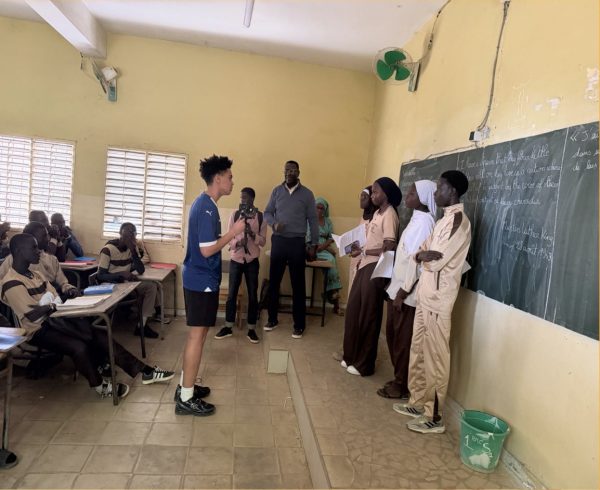
SHS junior Amir Miles said meeting other students and other people within the school and Senegal was a memorable experience. “We spoke to as many people as we had the ability to,” he said.
The day continued with learning and playing Senegalese games along with American games in what Mbodj described as “A heartwarming cultural exchange.”
For communal lunch, students were introduced to Thieboudienne, rice and fish, the national dish of Senegal. The day concluded with a performance of traditional dances that continued with an invitation for them to join and dance alongside the Senegalese students.
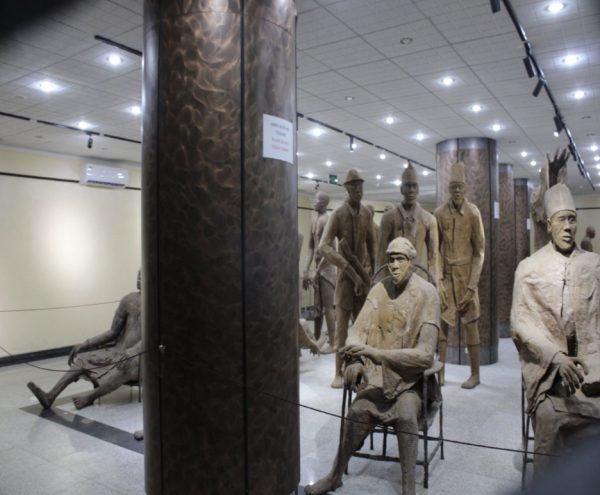
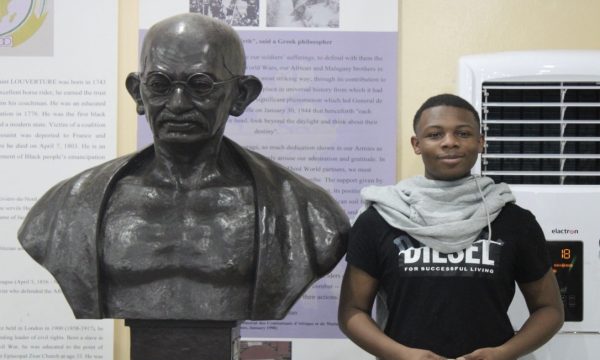
Students got to truly explore deeper into the culture on day 2. They visited IFAN Museum, also known as the Cheikh Anta Diop museum, named after the scientist responsible for advancing the process of Carbon 14. The museum had displays and information about genetic storage on marine life, land animal life, insect life and plant life.
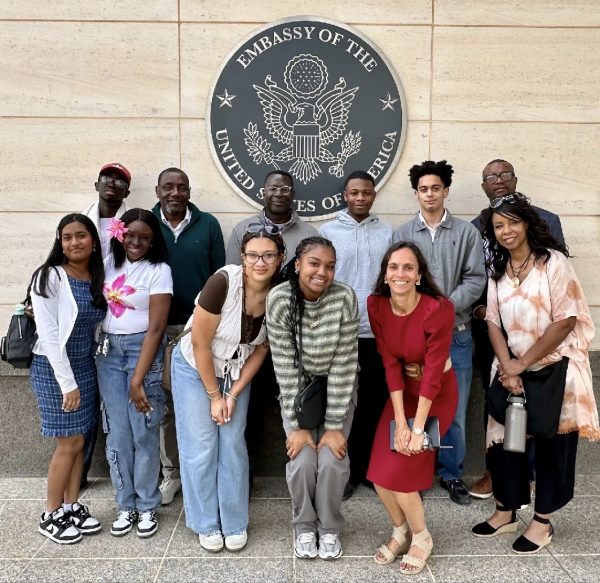
Their next visit was to the U.S. Embassy where they met with the Cultural Affairs Attaché. She is responsible for overseeing long-term exchange programs as well as ensuring homes for students in exchange programs.
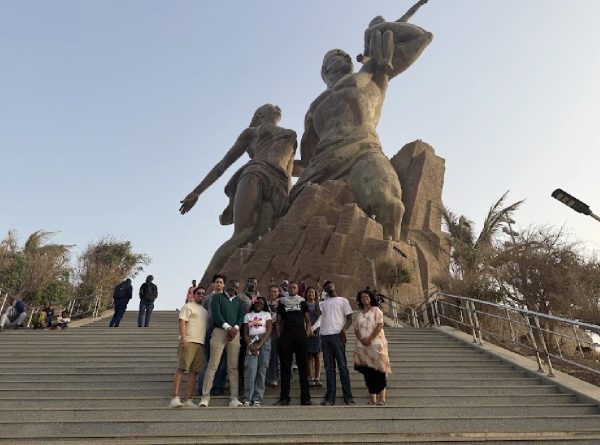
Day 2 ended with the African Renaissance Monument that serves as a reminder of Senegal’s liberated people. It houses three floors of museums, all with different artworks referencing pieces of African history.
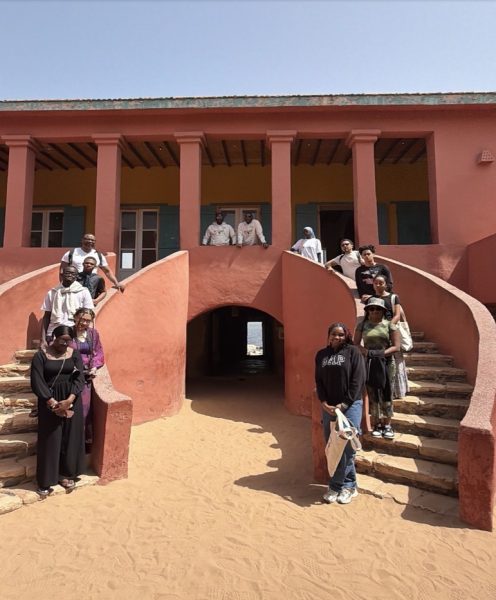
Their third day they visited Gorée Island, a UNESCO World Heritage Site known for its historical significance in the transatlantic slave trade. A notable part of this sight is “The Door Of No Return.” Students were met with the opportunity to tour the island, including key historical landmarks.
Following this theme, that afternoon the group visited the Museum of Black Civilizations, which celebrates African history and global contributions made by the continent.
The second academic day followed on day 4. Students visited ‘Les Marists’ Catholic High School where they received an official welcome by the International Baccalaureate (IB) students, a program presentation, and a guided tour of the institution. The day ended with a special cultural dinner hosted by Mbodj’s own family, offering a true look into a blend of Senegalese culture, cuisine, and hospitality.
“What’s important is the Social Organizations of the Senegalese people before colonization,” noted Mbodj, about a combined social and political part of the Senegalese culture that they partook in that night.
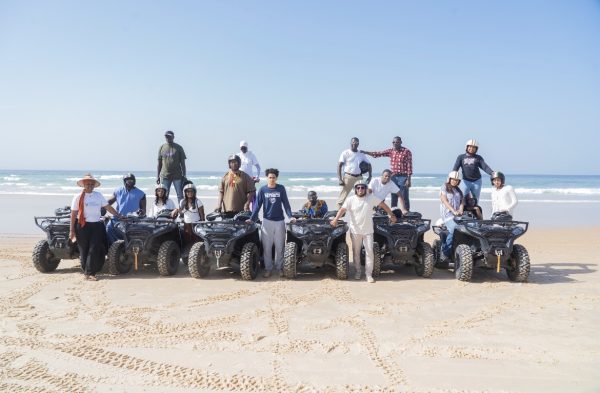
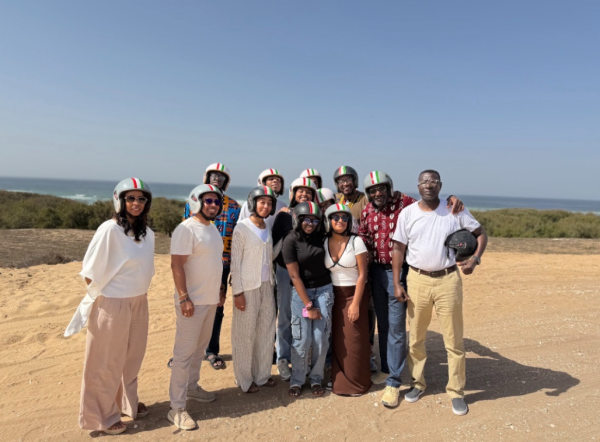
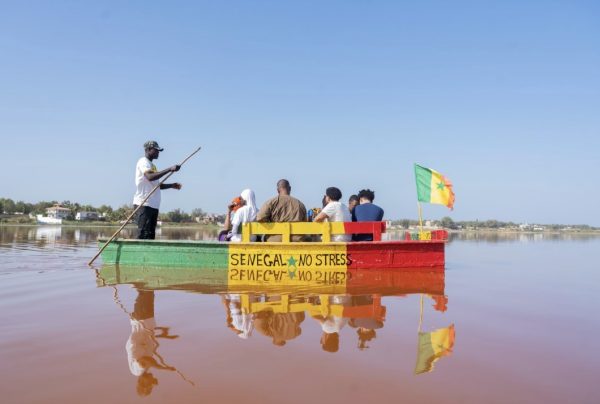
On the fifth day, students visited the Ministry of National Education at Diamniadio, offering a look into national educational policies and development initiatives. Following that was Lac Rose (Pink Lake), where students rode dune buggies across the beach, combining both fun activities and education into one day.
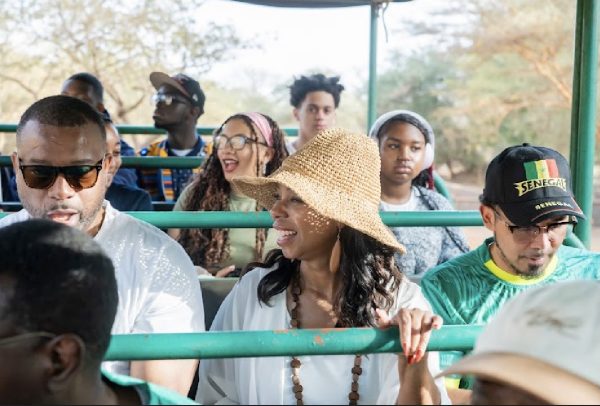
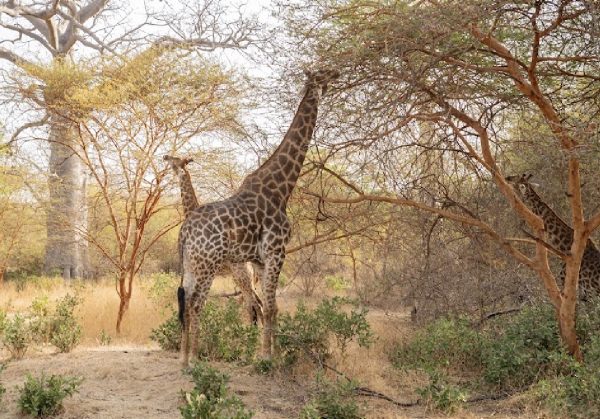
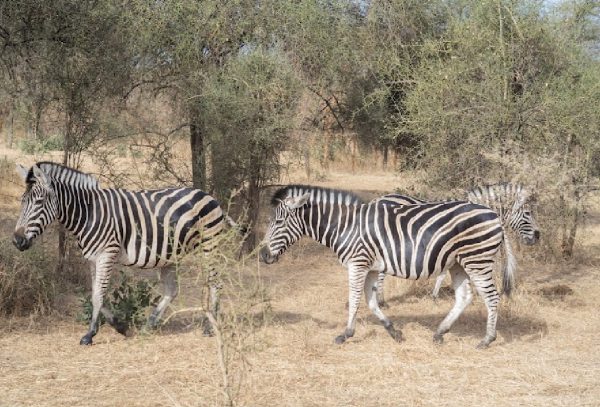
Students spent their sixth and final day exploring the Senegalese wildlife, visiting the safari and getting to see animals such as giraffes, rhinos and antelopes in a natural reserve setting. A boat tour of Somone Lagoon followed, presenting mangroves and bird life.
Students spent their final night in Dakar, feasting on a special farewell dinner of Thieboudienne (rice and fish with vegetables), Thiebou Yapp (rice and meat with vegetables), and Mafe (rice with meat with peanut butter sauce and tomatoes) while reflecting on their special week in Senegal.
The Lasting Impression
The impact of a trip like this is surely lasting. “There is a whole world to explore outside of the USA, and Senegal showed me that,” said SHS senior Sonia Bhola. “I got to travel to a historical place and meet so many friendly people, and built relationships easily with people my age. Being able to see how others who are like me live and have the opportunity to connect meant the world to me.”
Fellow senior student Nassima Poinsette agreed. “Senegal has an entirely different atmosphere compared to the U.S. The people are more inviting, every community is lively and warm, and the culture is deeply rooted in hospitality and history.”
One final reflection of the trip came from Amir Miles. “I was dead wrong. This isn’t a West end country, this isn’t a primitive country,” he said. “Things are not always as they seem.”
Board President Rivera also reacted strongly to the Gorée Island trip. “The feeling of knowing what your ancestors had gone through, brings not only answers but also a new feeling of belonging,” she said.
Rivera noted in a way that, “despite having never visited here before, whether it was the newfound peace in identity or the hospitable culture, it definitely felt like home to the students of our community.”
Mbodj said the trip was a dream come true.
“It brings not only a new experience but also a deeper look into the roots and history of those in our community,” he said. “History is an important part of this, for students to know where they came from so they can discover how to build the future.”
-30-
Sonia Bhola • May 20, 2026 at 7:42 pm
Thank you so much for your amazing article about the trip! You captured just how important and life changing this trip was. I am so happy to have been able to share my experience!