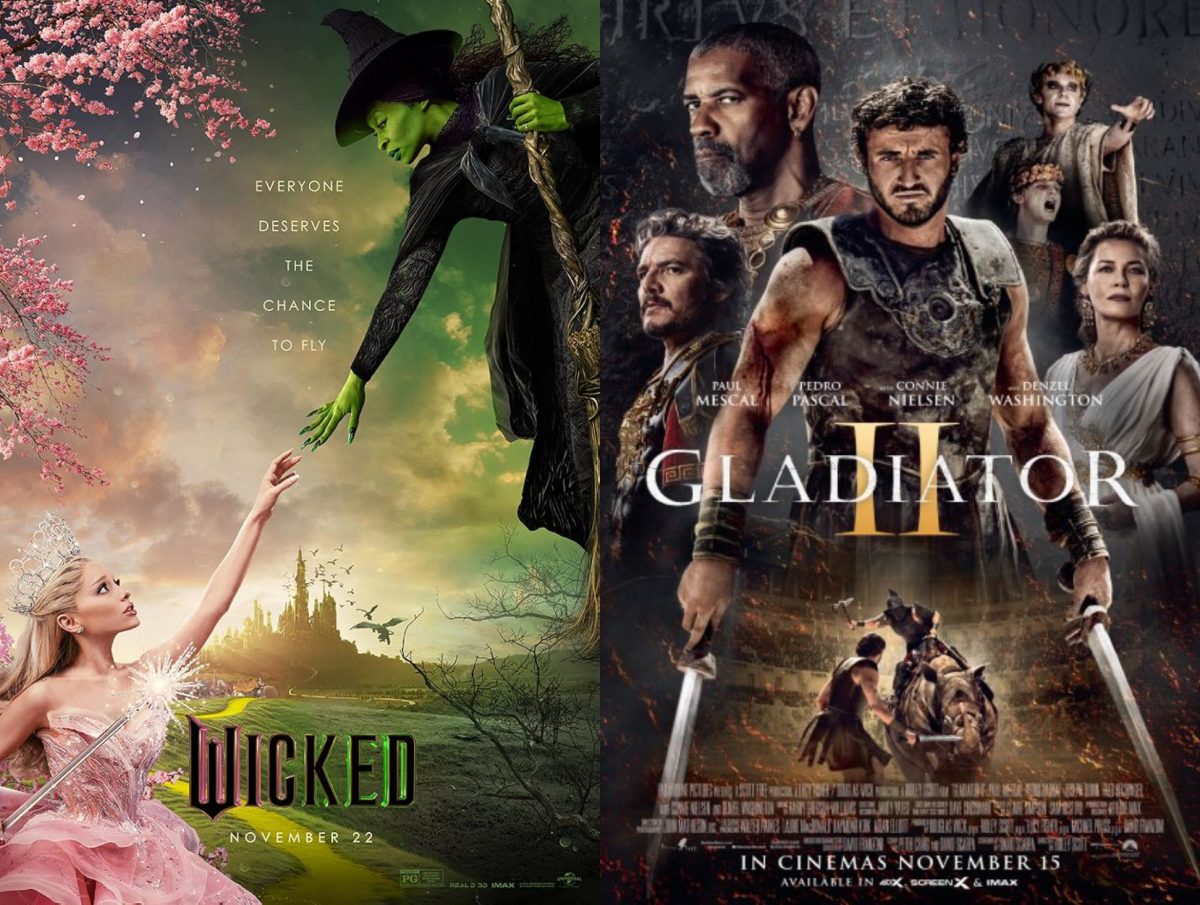









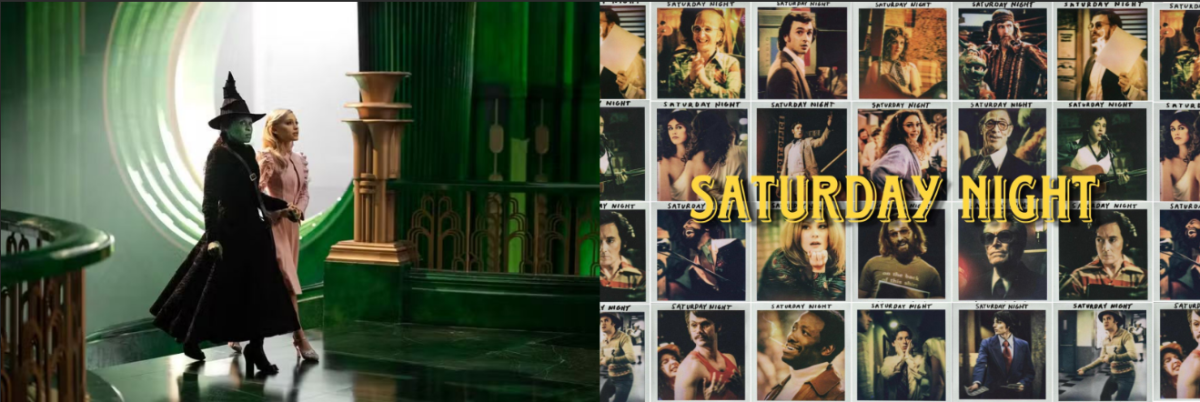
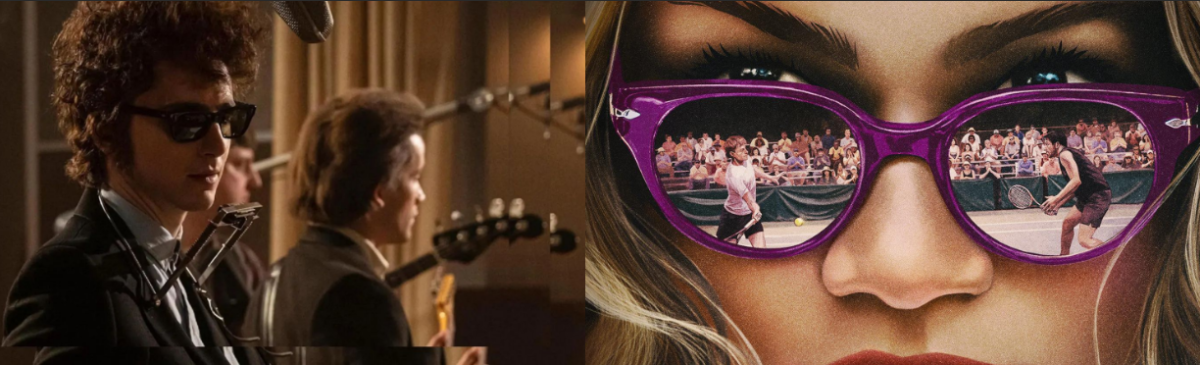
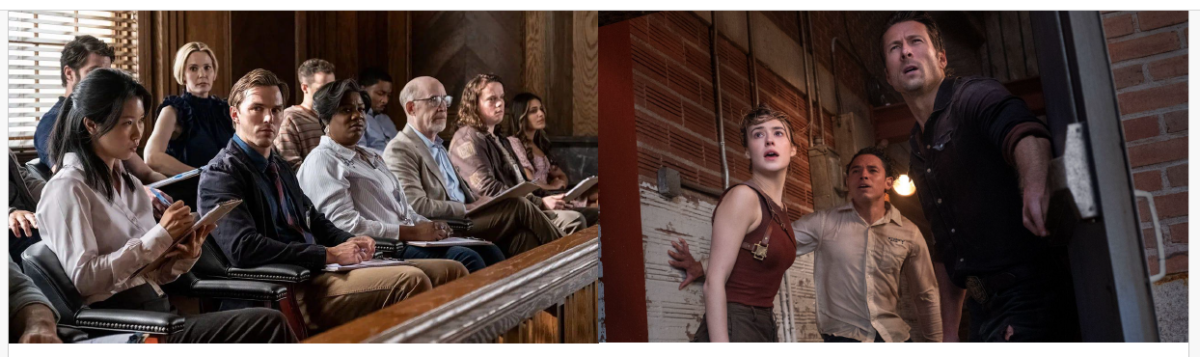
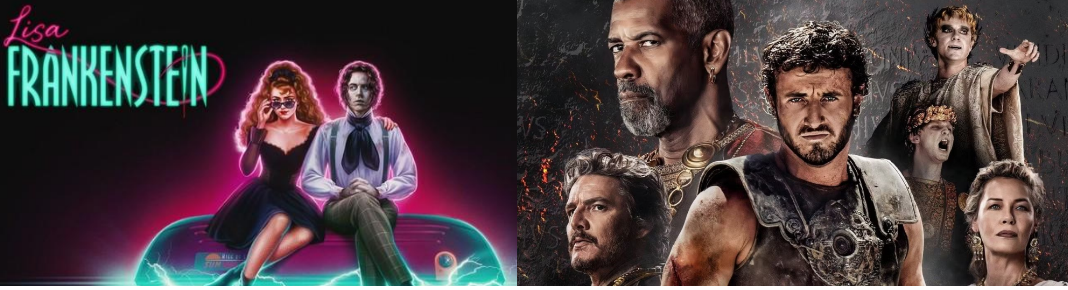









I’ve always loved movies, but I must confess, the recent plagues of Netflix lighting, same face syndrome, generative AI and over-reliance on VFX have made many of our newest, most profitable movies a bit unappealing to me. That’s why I chose to go back to 1980 and watch David Lynch’s The Elephant Man.
I’ve been marginally aware of David Lynch for a long time, mostly because of his work on Eraserhead and Twin Peaks, and when he died in January of last year, I watched several of his short films on the Criterion Collection. He’s got a very distinctive, unique style, with a proclivity for filming in black and white and a common theme of atypical human bodies—present, as immediately comes to mind, in Eraserhead, The Elephant Man and The Amputee. Up until watching this film, though, I didn’t really consider myself a Lynch fan. The Elephant Man convinced me.
I’ll admit that the opening felt a bit slow (though maybe that’s just my fried 21st-century attention span) and I don’t tend to be drawn in by Anthony Hopkins (barrelling the camera does not make you the best Hannibal Lecter). But once John Hurt got a chance to shine as the titular character, the movie really drew me in. Previously, I’d seen Hurt as Kane in Alien, where he serves as little more than the vessel for the chestburster. In The Elephant Man, though, he’s much more impactful as John Merrick, a man with what is now thought to be Proteus syndrome. At the time of the movie and its preceding play’s creation, his condition was thought to be neurofibromatosis, which manifests in some similar ways but is a distinct disorder. Of course, given Lynch’s reputation and the time period in which it was made, the growths on Merrick’s body and head are all practical effects, rather than the sloppy CGI they might be had the movie been made today under the oversight of a different director.
Merrick is paraded around Britain as a circus freak by his “owner”, Bytes, who beats and starves him until Dr. Treves (played by Hopkins) takes him to another circus—the carnival that is university medical research. The movie follows his experiences in the 1880s.
Without spoiling it, I’ll say that Hurt and Lynch successfully made me relate to and empathize with Merrick. The movie is both heartfelt and heartbreaking, simultaneously an accurate period piece and a strikingly relevant portrayal of physical disabilities. Unlike many stories focusing on disabled people, Lynch does not force Merrick to live in misery, instead highlighting his intellect, empathy and the joy that he gets from human interaction, which he has been kept from for much of his life. The artistic license that the film takes does not detract from the real man—Joseph Merrick—it is based on.
As I watched the film, I found myself thinking that this John Merrick guy seems like he would’ve been a nice person to be friends with. The Elephant Man feels deeply personal, and the performances of Hopkins, Anne Bancroft and Wendy Hiller in particular force the audience to consider what they would do in their position. Is is virtuous enough to give Merrick a room to stay in and people to talk to while still using him for your own fame and research, or is that just a glorified form of the conditions he lived in at the circus?
I saw the movie with my parents, and afterward, all three of us spent the next thirty minutes or so researching the real Joseph Merrick and Proteus syndrome. Personally, I think this is the mark of a good movie. It gets you talking. It stays with you after you’ve turned off the TV (or left the movie theater). It teaches you something, broadens your horizons, lets you in on a part of history—or an aspect of yourself—that you weren’t previously aware of.
A movie doesn’t have to be expressly educational to educate its audience. In fact, I would argue that a well-presented fictional narrative will subconsciously pass on information—not necessarily facts about Proteus syndrome or the British medical industry in the 1800s, but rather ideas of empathy and challenges to previously held beliefs about physical deformities and those labelled freaks by mainstream society. John Merrick (along with his real-life counterpart Joseph Merrick) was not a freak. He was an intelligent, kind and talented man who did a great deal with the lot he was given in life, and the movie does an excellent job of communicating this seamlessly into an intriguing narrative.
I was also impressed by the cinematography, so I would recommend checking this one out if you’re a fan of cool-looking movies with intricate editing and shot organization. Freddie Francis managed this entirely in black and white (for those of you who don’t have the greatest timeline for it, movies were firmly in color by 1980), and it really adds to the film’s atmosphere.
The point of this review isn’t exactly to get you to watch The Elephant Man, or even to explore David Lynch’s catalogue for something that interests you. It’s more a request to go to the library and pick up (for free) an old movie that you haven’t heard of, instead of opting for more short-form content or whatever money-grab blockbuster has hit theaters now. There are so many really excellent movies out there that people have put real work into, and you never know if one might change your life, even in a small way.
-30-